About
Who we are
An independent, non-party European network of scholars, community leaders and civil society organisations, founded in The Hague in 2010 and based in Strasbourg.
Our history
In 2010, a diverse group of scholars, community leaders, civil society representatives and NGOs from Muslim communities across Europe gathered in The Hague to lay the foundations of the European Muslim Initiative for Social Cohesion.
Recognising the social and political challenges facing Muslim communities in Europe, the participants agreed on the need for a constructive, coordinated and proactive approach: strengthening social cohesion, promoting equal participation and addressing discrimination and Islamophobia within the framework of human rights, democracy and the rule of law.
The meeting culminated in the formal launch of EMISCO and the adoption of a founding declaration together with a Ten-Point Charter of Objectives, which continue to guide our work with civil society networks, European institutions and intergovernmental organisations.
What we do
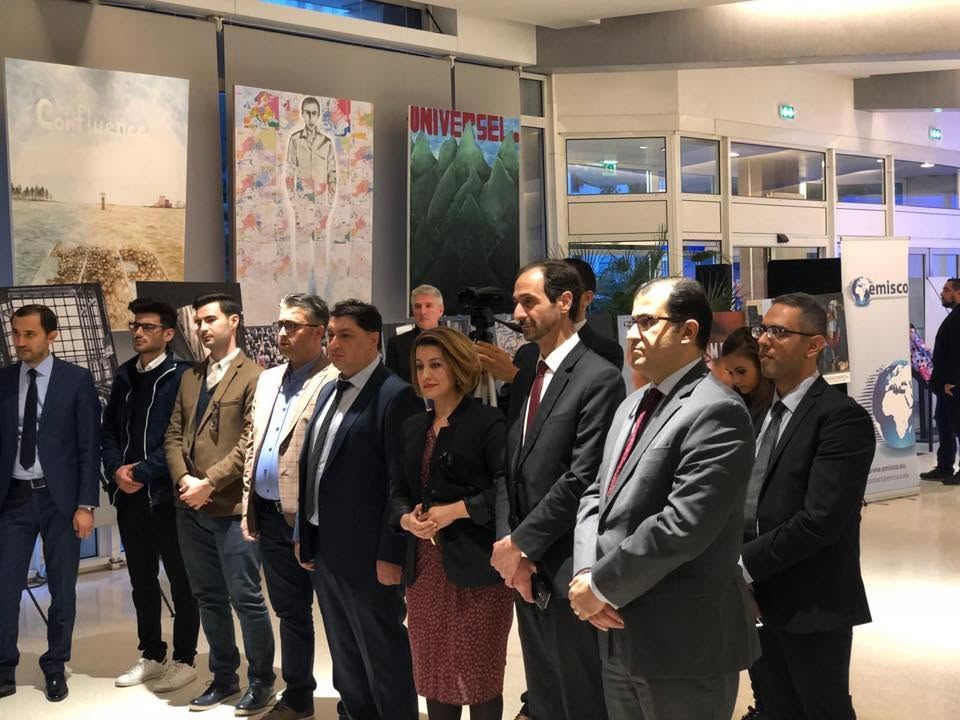
EMISCO builds bridges between Muslim communities, civil society, national authorities and European and international institutions, so that the experiences of communities are represented in discussions on human rights, equality, inclusion and democratic participation.
A central pillar of our work is close cooperation with other ethnic, cultural and faith communities. We believe social cohesion can only be achieved through meaningful participation, dialogue, mutual respect and shared responsibility.
- Member of the Conference of International Non-Governmental Organisations (INGOs) of the Council of Europe
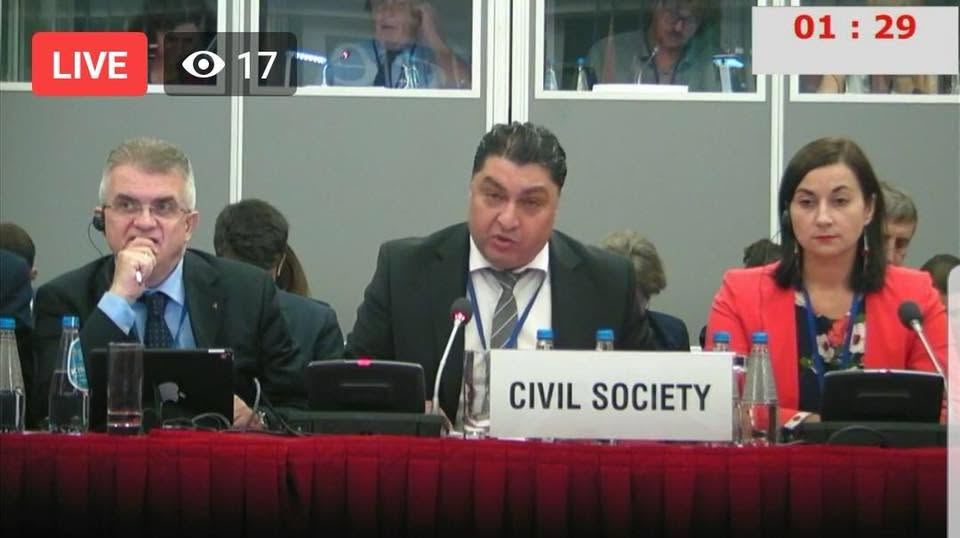
- Civil society partner of the OSCE Office for Democratic Institutions and Human Rights (ODIHR)
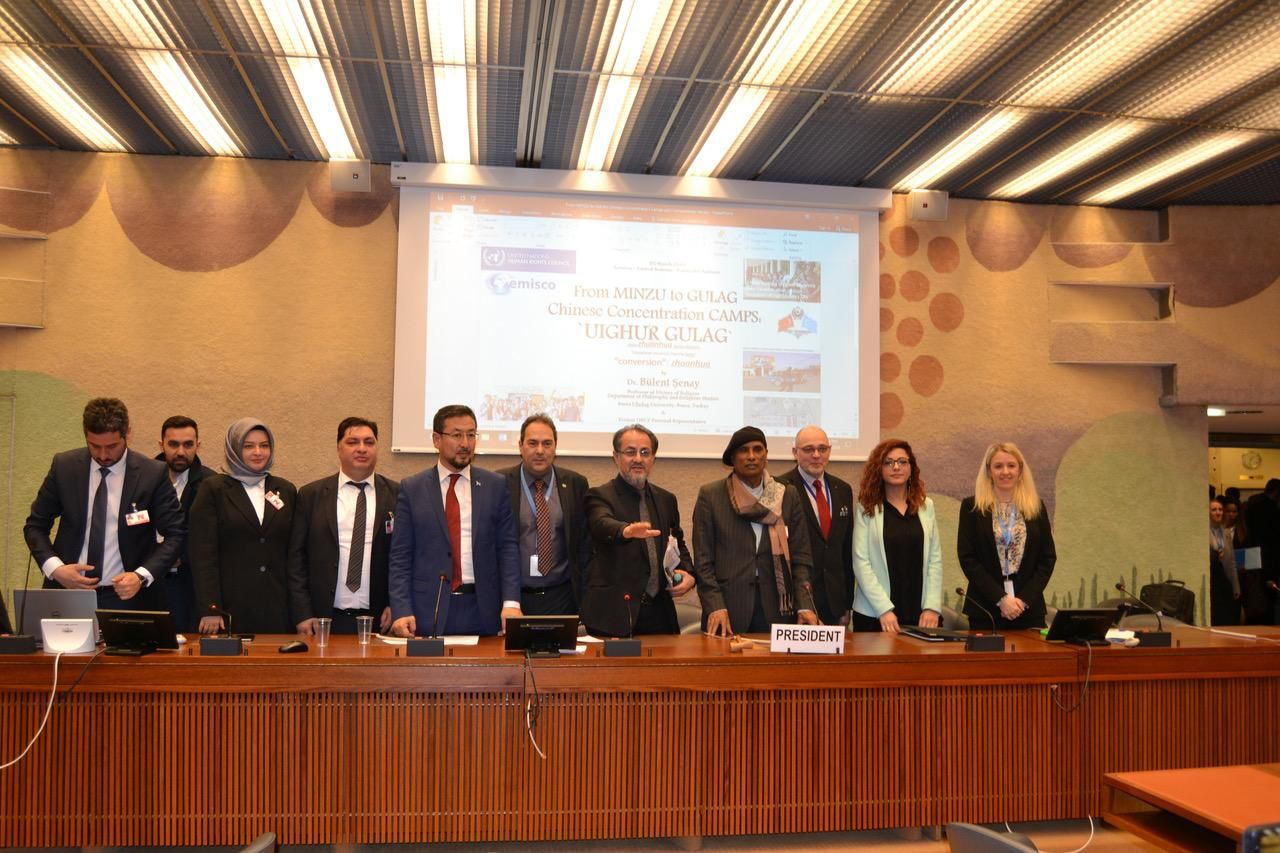
- Statements and recommendations at OSCE, Council of Europe and United Nations meetings
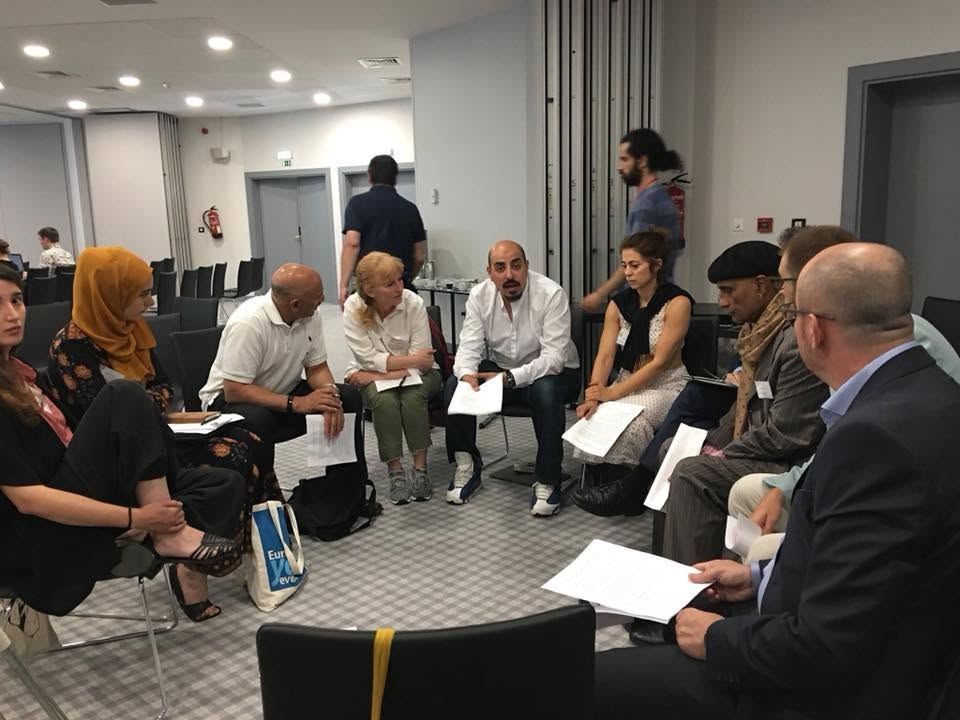
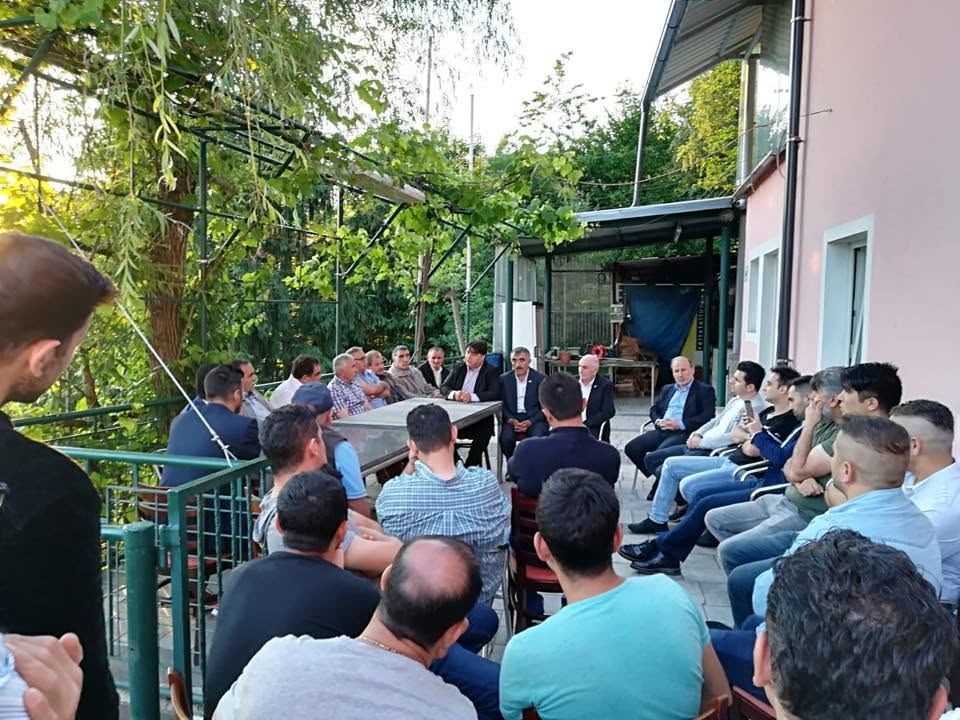
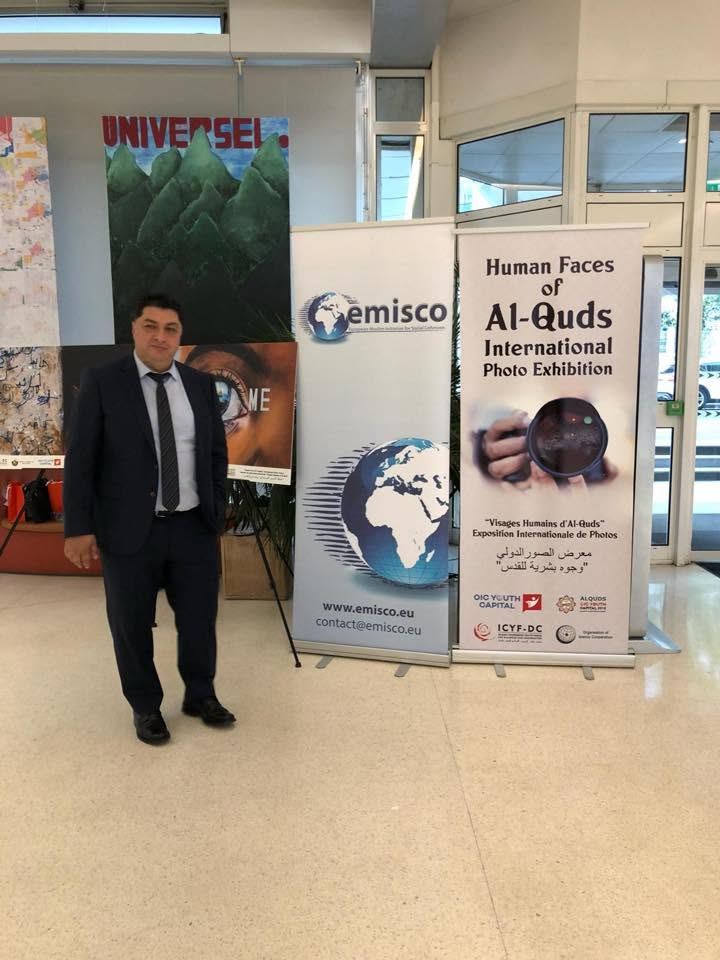
- Training on hate crime monitoring, youth exchanges and public events across Europe
The EMISCO Declaration
For social cohesion, equal citizenship and a shared future in Europe.
EMISCO is committed to a peaceful, inclusive and cohesive Europe founded on human dignity, democracy, equality, the rule of law and respect for human rights. Europe’s ethnic, religious and cultural diversity is an integral part of its societies. In pursuing these aims, we commit ourselves to ten principles:
Promoting dialogue and combating discrimination
Meaningful inter-ethnic, interfaith and intercultural dialogue, and action against all forms of racism, discrimination and hate speech, including Islamophobia, anti-Muslim hatred and antisemitism.
Rejecting extremism, violence and terrorism
A clear, consistent and unequivocal stand against extremism, violence and terrorism in all their forms, whatever their origin or claimed justification.
Defending fundamental rights and equal dignity
Constructive engagement with authorities, media, civil society and European institutions to safeguard equal treatment and ensure the concerns of minorities are heard.
Building inclusive and cohesive societies
Access to quality education, proficiency in the language of the country of residence, equal opportunities and participation in civic, economic and cultural life.
Upholding democracy and the rule of law
Respect for the constitutional and democratic order of the countries in which we live, while defending universal human rights for all.
Promoting integration and equal citizenship
Integration based on equal citizenship, mutual respect, shared responsibilities and active participation in society.
Preserving cultural heritage within a shared society
Full engagement with the society of residence while developing and sharing the heritage of communities of origin. Diversity is a source of enrichment, not a barrier.
Protecting freedom of religion or belief
The right of individuals and communities to practise, express or change their religion or belief freely and peacefully.
Respecting democratic secularism and civic participation
Appropriate separation between religious institutions and political authority, with equal rights for people of all faiths to take part in public life.
Encouraging democratic participation and citizenship
Civic engagement, voting, representation and access to citizenship, and awareness of democratic rights and responsibilities.
Our common commitment
Social cohesion cannot be achieved by one community alone. It requires a shared commitment from citizens, governments, institutions, civil society, religious communities and the media.
Our objective is not simply to live alongside one another, but to build a shared future together, as equal citizens with equal dignity, equal rights and shared responsibilities.
Defining Islamophobia
International organisations, academics and media use several terms for more or less the same phenomenon: Islamophobia, anti-Muslim hatred, and intolerance and discrimination against Muslims. Whatever the terminology, it is an affront to the dignity and human rights of Muslims.
EMISCO proposes the following working definition:
Islamophobia is a contemporary form of racism and xenophobia motivated by unfounded fear, mistrust and hatred of Muslims and Islam. It is manifested through intolerance, discrimination, unequal treatment, prejudice, stereotyping, hostility and adverse public discourse. Differing from classical racism and xenophobia, Islamophobia is mainly based on the stigmatisation of a religion and its followers.
Reports by the Council of Europe, the OSCE, the EU Agency for Fundamental Rights and others describe the problem and recommend action, but they do not yet form a normative basis. EMISCO works for recognition of Islamophobia as an established concept in official documents.